In today’s world, where environmental challenges are growing at an alarming rate, we must empower the next generation to become the change-makers our planet desperately needs. A recent collaboration between several partner organizations focused on a crucial mission: to provide marginalized youth such as migrants, refugees, and asylum seekers with the skills, knowledge, and tools to not only understand environmental issues but to become proactive leaders in the field of environmental protection.
This project aimed to bridge the gap by offering educational opportunities tailored to these underserved groups, helping them gain competencies in environmental education, sustainability practices, and green activism. It was driven by a need to address the intersection of social and environmental issues, recognizing that marginalized communities are often the most vulnerable to environmental degradation.
Project Goals and Key Outcomes
The core objectives of this initiative were twofold:
- Exchange of Best Practices: Sharing successful environmental education methods among partner organizations from different countries to improve the overall effectiveness of youth workers, volunteers, and marginalized groups.
- Creation of Free Educational Tools: Developing accessible, free resources that can be used by other organizations to foster green habits and environmental awareness across Europe.
Empowering Youth Workers and Volunteers
One of the first outcomes of the project was the creation of comprehensive educational materials designed to improve the skills of youth workers, mentors, and volunteers. These materials were specifically aimed at equipping them with the tools needed to teach marginalized groups about environmental protection.
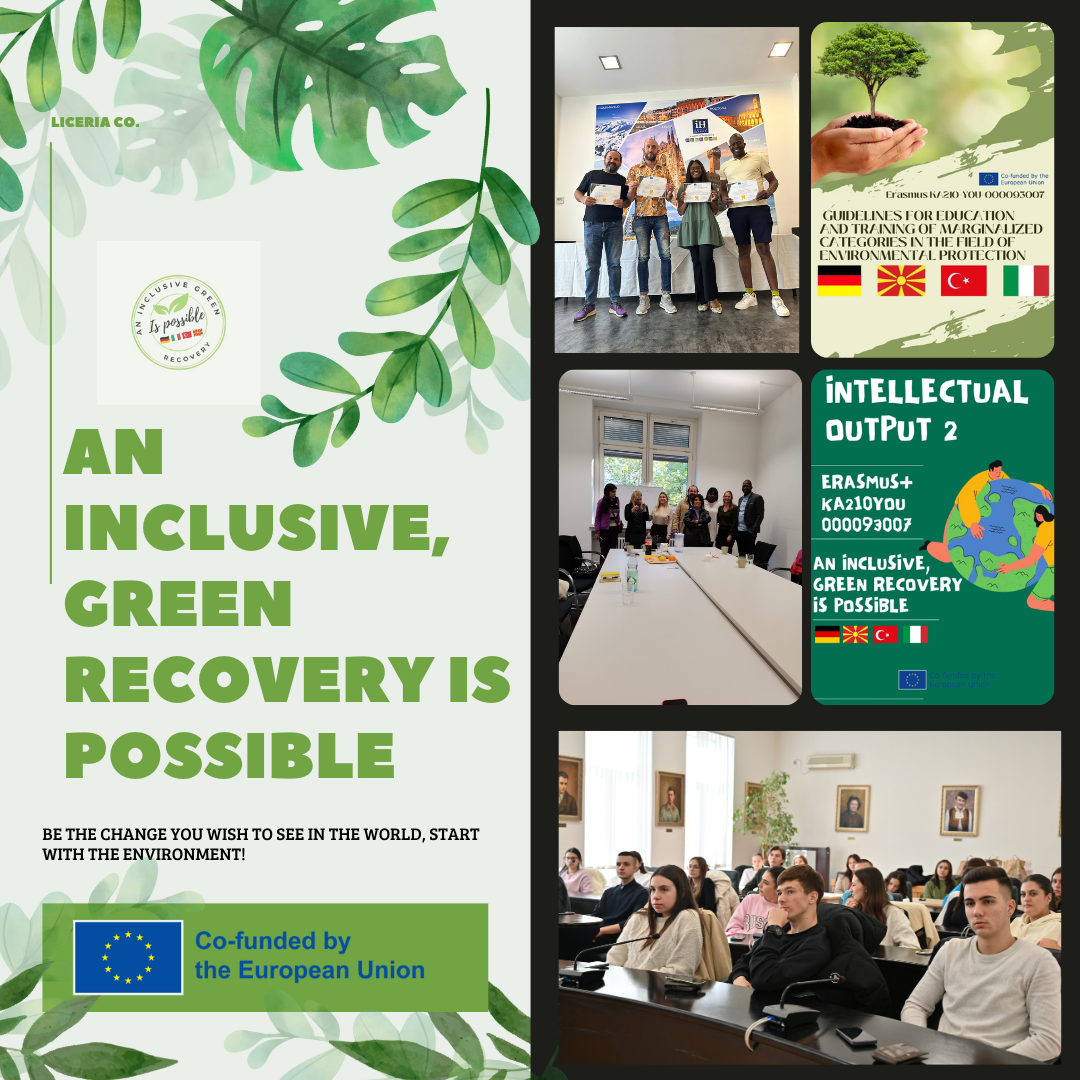
Guidelines for Education and Training in the field of environmental protection were designed as both a manual and a training course. This resource, which includes methodologies, teaching tools, and case studies, serves as a roadmap for future projects and initiatives that will help marginalized groups develop a deeper understanding of their role in sustainability.
Topics covered in the manual include:
- The challenges marginalized communities face in environmental education
- Effective methods for working with these groups
- Mentorship and training techniques to ensure the success of educational initiatives
- Practical strategies for promoting green habits and environmental responsibility
This manual will serve as a tool for organizations across Europe to implement and expand their environmental education programs, fostering long-term positive change.
Addressing Waste Management through Non-Formal Education
Another key focus of the project was promoting positive waste management practices, particularly in urban areas where pollution levels are alarmingly high. The project’s second educational output highlights the importance of non-formal education in addressing waste management issues.
Positive Waste Management Practices provides a detailed framework for waste collection, recycling, and disposal strategies adapted to the needs of different communities. By involving youth workers and young people in hands-on, experiential learning, the project empowers them to take action in their own communities and inspire others to adopt sustainable practices.
This educational outcome is built on the concept of non-formal education, which emphasizes interactive, learner-centered experiences. Through workshops and collaborative sessions, participants not only gain practical knowledge but also have the chance to exchange ideas and solutions with peers from other regions. This exchange fosters a deeper understanding of environmental challenges across Europe and encourages innovation in waste management.
Free Educational Resources for Everyone
In line with the project’s commitment to accessibility, both educational resources—Guidelines for Education and Training and Positive Waste Management Practices—are available for free download. These resources are designed to be easily accessible to organizations, individuals, and youth workers who are committed to making a positive environmental impact.
You can download the full manuals here:
Spreading the Message: From Online Campaigns to Real-Life Action
Throughout the project, we took active steps to raise awareness and get young people involved. An online campaign was launched to spread the message about sustainable habits and to promote eco-actions led by youth. The campaign focused on engaging young people in activities like recycling, eco-friendly lifestyle choices, and taking leadership roles in environmental initiatives.
Looking to the Future
The success of this project is only the beginning. By providing marginalized youth with the knowledge and support they need, we are not only tackling environmental issues but also empowering a generation to create lasting change. These young leaders will go on to inspire others, spreading green habits and environmental consciousness far beyond the reach of this initiative.
We hope to see these educational materials used by organizations worldwide and look forward to the growing movement of youth taking action to protect our planet. Together, we can make a difference – one green habit at a time!
 Migration and Migration Alignment (MAMA)